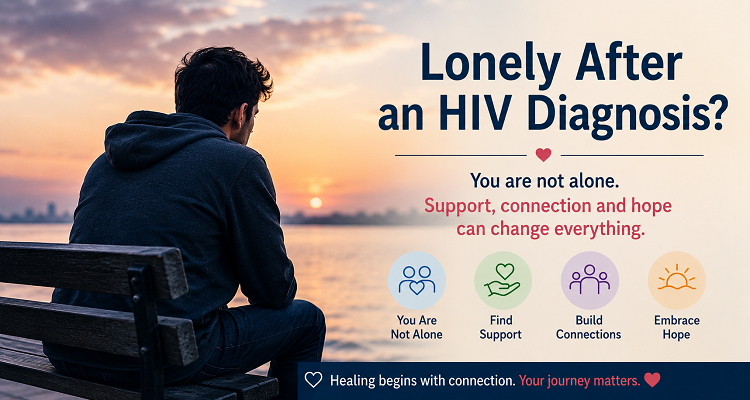
An HIV diagnosis can change many things in a person’s life, but one of the most difficult challenges is often the emotional impact that follows. For many people, the days and weeks after diagnosis bring uncertainty, fear, and isolation. If you are feeling lonely after an HIV Diagnosis, you are far from alone. Thousands of people experience similar emotions as they adjust to a new reality and learn what life after HIV diagnosis looks like.
The good news is that an HIV diagnosis does not mean the end of meaningful relationships, personal goals, or happiness. Modern treatment has transformed HIV into a manageable health condition for many people. While the medical side of HIV has advanced significantly, emotional healing remains just as important. Understanding your feelings and rebuilding connections can help you move forward with confidence and hope.
Understanding the Emotional Effects of an HIV Diagnosis
The moment someone receives an HIV diagnosis can feel overwhelming. Even when treatment options are available and health outcomes are positive, emotions can be difficult to manage. The emotional effects of an HIV Diagnosis may include sadness, fear, anxiety, anger, guilt, or even numbness. Some people worry about how others will react, while others become concerned about future relationships or social acceptance.
These feelings are a natural response to life-changing news. Everyone processes emotions differently, and there is no right or wrong way to react. Some people adjust quickly, while others need more time to accept the diagnosis and regain emotional balance. What matters most is recognizing that these emotions are valid and deserve attention.
Many people discover that emotional challenges are often more difficult than the medical aspects of HIV. This is why HIV diagnosis emotional support plays such an important role in overall well-being.
Why Loneliness Often Follows an HIV Diagnosis
One of the most common experiences after diagnosis is isolation. People may withdraw from friends, avoid social activities, or keep their diagnosis completely private. While privacy is a personal choice, isolation can sometimes increase emotional distress.
The experience of feeling lonely after an HIV Diagnosis often comes from fear rather than reality. Fear of rejection, judgment, stigma, or misunderstanding can create emotional barriers that make people feel disconnected from those around them. Even when supportive friends and family are available, some individuals believe that nobody truly understands what they are going through.
This loneliness can affect self-esteem and make it harder to maintain healthy relationships. Over time, however, many people learn that connection is possible and that support exists in many forms. The process of reconnecting after an HIV diagnosis begins when individuals allow themselves to open up to trusted people and supportive communities.
Coping With HIV Diagnosis in a Healthy Way
Everyone has a unique journey when it comes to coping with a HIV Diagnosis. Some people find comfort in learning more about HIV and treatment options, while others benefit from talking openly about their feelings. The key is finding approaches that support both emotional and physical health.
Permitting yourself to experience your emotions is an important first step. Many people feel pressure to remain positive all the time, but emotional healing requires honesty. Acknowledging fear, sadness, or frustration does not mean you are weak. It simply means you are human.
Education can also be empowering. Learning about current HIV treatments, health outcomes, and long-term management often helps reduce anxiety. Many fears are rooted in outdated information, and understanding the realities of modern HIV care can provide reassurance and confidence.
Developing healthy routines can make a significant difference as well. Regular exercise, balanced nutrition, quality sleep, and stress management practices all contribute to emotional resilience. Small daily habits often create meaningful improvements in mood and self-confidence over time.
The Importance of HIV Mental Health Support
Mental health is a critical part of living well with HIV. While medical care focuses on physical health, emotional well-being deserves equal attention. This is where HIV Mental Health Support becomes essential.
Mental health professionals can help individuals process difficult emotions, manage anxiety, and develop coping strategies. Counseling provides a safe space to discuss fears, relationship concerns, and personal challenges without judgment. Many people report feeling more confident and hopeful after receiving professional support.
Support does not always have to come from therapy alone. Trusted friends, family members, peer groups, and community organizations can also encourage during difficult times. The goal is to build a support system that helps reduce isolation and promote emotional wellness.
People often discover that talking about their experiences is one of the most effective ways to reduce loneliness. Sharing concerns with others can create understanding and remind individuals that they are not facing their journey alone.
Living With HIV Support Can Make a Difference
Strong support systems often play a major role in emotional recovery. Accessing Living With HIV Support can help people feel understood, accepted, and encouraged during challenging periods.
Support may come from healthcare professionals, community organizations, educational programs, online discussion groups, or local social networks. These resources provide practical information while also offering emotional encouragement.
Many individuals report that connecting with others who have similar experiences helps them feel less isolated. Hearing stories from people who have successfully built fulfilling lives after diagnosis can inspire confidence and optimism.
Support communities also provide opportunities to discuss common concerns such as relationships, dating, treatment, disclosure, and mental health. These conversations can help normalize experiences and reduce feelings of isolation.
The Power of an HIV Positive Support Community
One of the most effective ways to reduce isolation is through an HIV Positive Support Community. Being surrounded by people who understand similar challenges can create a strong sense of belonging.
Community support offers more than practical advice. It provides validation, encouragement, and connection. Many people find comfort simply knowing they are talking to others who genuinely understand their experiences.
A supportive community can help people navigate difficult emotions, celebrate milestones, and gain confidence in their future. Whether interactions happen online or in person, these connections often become an important source of strength.
Across many communities, members share stories of resilience, growth, and success. These stories remind others that an HIV diagnosis does not prevent happiness, meaningful relationships, or personal achievement.
Overcoming Loneliness With HIV
The journey toward Overcoming Loneliness With HIV often begins with small steps. Reaching out to one trusted friend, participating in a community discussion, or joining a support group can create meaningful change.
Loneliness tends to grow when people remain isolated, but connection often grows through simple interactions. Even brief conversations can provide reassurance and help individuals feel less alone.
Many people discover that volunteering, pursuing hobbies, participating in community activities, or reconnecting with old friends helps restore a sense of purpose and belonging. These experiences create opportunities for positive social interactions and emotional growth.
Progress may feel slow at times, but every effort to connect with others contributes to healing. Over time, these small actions can lead to stronger relationships and greater emotional well-being.
Reconnecting After HIV Diagnosis
The process of Reconnecting After HIV Diagnosis involves rebuilding trust in yourself and in others. It means allowing yourself to believe that meaningful friendships, supportive relationships, and fulfilling experiences are still possible.
Reconnection often starts internally. Learning to accept your diagnosis and treat yourself with compassion creates a foundation for healthier interactions with others. As confidence grows, many people find it easier to engage socially and build new connections.
Relationships may evolve, but they do not have to disappear. Many individuals discover that their strongest relationships become even stronger through honesty and mutual understanding. Others find new friendships and communities that provide encouragement and support.
The path forward may not always be easy, but connection remains possible at every stage of the journey.
Frequently Asked Questions
Is it normal to feel lonely after an HIV diagnosis?
Yes. Feeling lonely after an HIV diagnosis is very common. Many people experience isolation, fear, and uncertainty while adjusting to the diagnosis.
What kind of HIV diagnosis emotional support is available?
HIV diagnosis emotional support may include counseling, peer support groups, community programs, online forums, and conversa
How can I start coping with an HIV diagnosis?
Coping with an HIV diagnosis often involves learning accurate information about HIV, focusing on mental health, building a support system, and maintaining healthy daily habits.
Why is HIV mental health support important?
HIV mental health support helps individuals manage stress, anxiety, depression, and emotional challenges while improving overall quality of life.
What is an HIV positive support community?
An HIV positive support community is a group of people living with HIV who provide encouragement, understanding, shared experiences, and emotional support.
How can I begin overcoming loneliness with HIV?
Overcoming loneliness with HIV usually starts by connecting with supportive people, participating in community activities, and maintaining regular social interactions.
What does life after HIV diagnosis look like today?
For many people, life after HIV diagnosis includes effective treatment, healthy relationships, successful careers, personal growth, and active participation in supportive communities.
Final Thoughts
If you are feeling lonely after a HIV Diagnosis, remember that loneliness does not have to be permanent. The emotions you are experiencing are understandable, but they do not define your future. Through HIV diagnosis, emotional support, living with HIV support, strong relationships, and an active HIV positive support community, many individuals discover renewed confidence and connection.
The journey of reconnecting after an HIV diagnosis takes time, but every step forward matters. With support, understanding, and self-compassion, it is possible to move beyond isolation, build meaningful relationships, and create a fulfilling future while living with HIV.