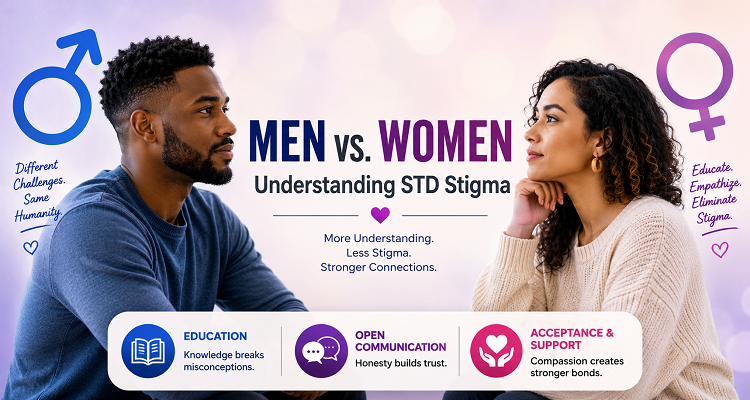
Receiving a sexually transmitted disease diagnosis can bring a wave of emotions. While many STDs are manageable with modern medical care, the emotional challenges often last much longer than the physical symptoms. Fear of rejection, embarrassment, anxiety, and social judgment can affect every aspect of life, especially dating and relationships.
Although anyone can experience STD stigma, men and women often face different emotional and social pressures. Cultural expectations, gender stereotypes, and misconceptions about sexual health shape how people respond to a diagnosis and how others react to it. These differences can influence confidence, mental health, communication, and relationship experiences.
The good news is that attitudes continue to improve. Better education, effective treatments, and supportive dating communities are helping people view STDs as common medical conditions rather than personal failures. Understanding these differences can help break stereotypes, reduce stigma, and encourage healthier relationships.
What Is STD Stigma?
STD stigma refers to the negative attitudes, discrimination, and unfair assumptions directed toward people living with sexually transmitted infections. Instead of recognizing STDs as common health conditions, many people continue to associate them with irresponsible behavior or poor character.
These misconceptions discourage people from getting tested, receiving appropriate treatment, and discussing their diagnosis with partners. For many individuals, the emotional burden created by stigma becomes more difficult than managing the infection itself.
Organizations such as the Centers for Disease Control and Prevention (CDC) and the World Health Organization (WHO) continue to emphasize that education, routine testing, and honest communication are among the most effective ways to reduce stigma and improve public health.
Why Men and Women Experience STD Stigma Differently
Although both men and women face similar fears after an STD diagnosis, social expectations often create different emotional experiences.
Women Often Face Greater Social Judgment
Women frequently experience stronger social criticism after disclosing an STD. Traditional beliefs surrounding female sexuality may lead others to make unfair assumptions about their personal lives.
Many women worry about being judged before potential partners have the opportunity to know them personally. This concern may reduce self-confidence and make dating feel emotionally exhausting.
Fear of criticism may also prevent women from having open conversations with healthcare professionals or future partners, delaying important discussions about treatment and sexual health.
Men Often Hide Emotional Struggles
Men often experience stigma differently. Many societies encourage men to appear emotionally strong and independent, making it difficult to express fear, sadness, or vulnerability after receiving a diagnosis.
Instead of discussing their concerns openly, some men withdraw from dating or avoid conversations about their condition. Emotional isolation can increase anxiety and make healthy relationships more difficult to develop.
Shared Emotional Challenges
Despite these differences, many concerns are shared by everyone living with an STD.
Common experiences include:
- Fear of rejection.
- Anxiety about disclosure.
- Lower self-esteem.
- Feelings of isolation.
- Concerns about future relationships.
Understanding these shared emotions reminds people they are not alone and encourages compassion instead of judgment.
The Psychological Impact of STD Stigma
Living with stigma can affect emotional health just as much as physical health.
Research shows that STD-related stigma may contribute to:
- Anxiety
- Depression
- Fear of intimacy
- Social withdrawal
- Lower self-confidence
- Reduced relationship satisfaction
These emotional struggles are often driven by public misconceptions rather than the medical condition itself.
With accurate information, supportive communities, counseling, and healthy relationships, many people regain confidence and develop positive outlooks toward dating again.
Expert Advice on Building Healthy Relationships
Relationship experts consistently emphasize that self-acceptance and honest communication are essential for successful relationships.
Dr. Brené Brown on Vulnerability
Research professor Dr. Brené Brown has spent years studying vulnerability, courage, and human connection. Although her work does not specifically focus on STDs, her research demonstrates that meaningful relationships develop when people embrace authenticity instead of trying to appear perfect.
People who communicate openly about difficult experiences often build stronger emotional connections with their partners.
Dr. John Gottman on Trust
Relationship psychologist Dr. John Gottman has identified trust, emotional responsiveness, and respectful communication as some of the strongest predictors of lasting relationships.
These qualities become especially valuable when couples discuss sexual health. Honest conversations help partners build trust while creating a stronger emotional foundation.
Research Highlights Gender Differences
Studies continue to show that gender influences how people experience STD stigma.
Women are generally more likely to experience social judgment and concerns about reputation.
Men are more likely to suppress emotions and avoid asking for emotional support.
Although these reactions differ, research consistently shows that supportive relationships, counseling, and reliable health information improve emotional well-being for both men and women.
Dating After an STD Diagnosis
Dating may feel intimidating at first, but confidence usually grows with experience.
Fear of Rejection
Almost everyone worries about rejection.
However, rejection happens in every type of relationship regardless of health status. Honest conversations often reveal whether two people share similar values, communication styles, and long-term goals.
Talking About Your Diagnosis
Many people discover that discussing their diagnosis becomes easier over time.
Preparing for the conversation, choosing the right moment, and focusing on facts instead of fear can make disclosure feel much more comfortable.
Focus on Compatibility
Healthy relationships are built on much more than medical history.
Kindness, respect, communication, emotional maturity, trust, and shared goals remain the strongest predictors of long-term happiness.
STD Statistics Help Reduce Misconceptions
Education continues to replace myths with facts.
Consider including an infographic or bar chart showing:
- Global herpes prevalence.
- Annual STD diagnoses worldwide.
- Percentage of people unaware they have an STD.
- Rates of routine STD screening.
- Public attitudes toward STD disclosure.
Visual data makes complex health information easier to understand while increasing reader confidence.
How PositiveSingles Helps Reduce Stigma
PositiveSingles provides a supportive environment where people living with STDs can build friendships and meaningful relationships without fear of judgment.
Instead of worrying about disclosure on traditional dating apps, members can connect with others who understand the realities of living with an STD.
Privacy Comes First
Privacy remains one of the platform’s highest priorities.
Members have access to profile privacy settings, secure messaging, account management tools, and reporting features that help create a respectful and secure community.
More Than a Dating Platform
PositiveSingles also offers discussion forums, blogs, educational resources, success stories, and community support.
These features help members learn from one another, share experiences, and build confidence throughout their
Frequently Asked Questions
Do men and women experience STD stigma differently?
Yes. Women often experience greater social judgment, while men are generally less likely to discuss their emotions or ask for support. Both, however, experience similar concerns about rejection and disclosure.
Can people living with an STD have successful relationships?
Absolutely. Millions of people living with herpes, HPV, HIV, and other STDs enjoy healthy, loving, and long-term relationships.
When should I tell someone about my STD?
Disclosure is a personal decision. Many healthcare professionals recommend discussing your diagnosis before sexual intimacy after mutual trust has developed.
Can an STD dating community make dating easier?
Many members feel more comfortable connecting with people who understand life with an STD. This often reduces anxiety surrounding disclosure and encourages more authentic conversations.
Trusted Health Resources
The information presented in this article is supported by guidance from the Centers for Disease Control and Prevention (CDC), the World Health Organization (WHO), the National Institutes of Health (NIH), and the American Sexual Health Association (ASHA). These organizations provide evidence-based recommendations on STD prevention, testing, treatment, disclosure, and healthy relationships.
Final Thoughts
STD stigma affects both men and women, but it often appears in different ways. Women may encounter stronger social judgment, while men may struggle with emotional isolation or hesitate to talk about their diagnosis. Regardless of gender, everyone deserves compassion, respect, and the opportunity to build meaningful relationships.
Education, honest communication, and supportive communities continue to replace fear with understanding. As public awareness grows, more people recognize that STDs are manageable health conditions and should never define a person’s character or future.
PositiveSingles offers a welcoming community where members can build genuine friendships, meaningful relationships, and lasting confidence. Your diagnosis is only one part of your story, and it should never determine your ability to love, connect, or build a happy future.