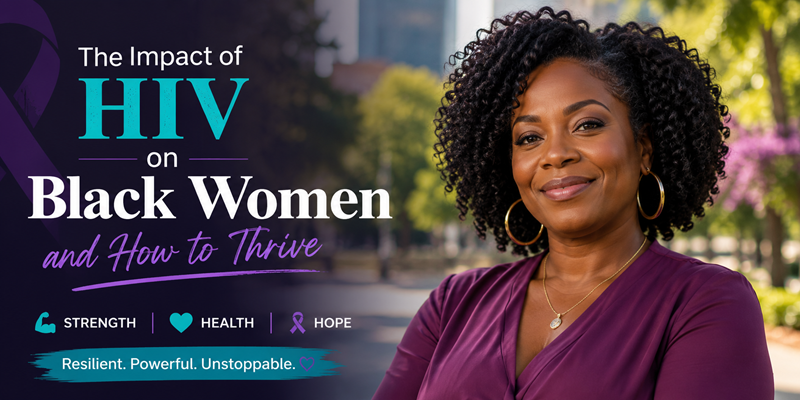
Living with HIV can bring unexpected emotional, physical, and social challenges, but it does not define a person’s future. For many Black Women HIV survivors, the journey includes overcoming stigma, protecting their health, building confidence, and creating meaningful relationships. While Black women continue to face a disproportionate burden of HIV in many countries, thousands are proving every day that a diagnosis is not the end of their story—it’s the beginning of a new chapter filled with resilience, growth, and purpose.
This guide explores the impact of HIV on Black women while offering practical advice, trusted resources, and encouraging stories to support every Women’s Health Journey.
Understanding HIV’s Impact on Black Women
According to the Centers for Disease Control and Prevention (CDC), Black women remain one of the populations most affected by HIV in the United States. Social and structural factors—including healthcare disparities, stigma, unequal access to prevention services, and socioeconomic challenges—contribute significantly to these statistics rather than race itself.
The World Health Organization also emphasizes that timely testing, access to treatment, and community support allow people living with HIV to enjoy long, healthy lives.
Although these statistics may seem discouraging, they do not predict any individual’s future. Modern HIV treatment has transformed HIV into a manageable chronic condition for many people.
The Emotional Journey After Diagnosis
Receiving an HIV diagnosis often triggers a range of emotions. Fear, uncertainty, sadness, guilt, anger, and anxiety are common during the first weeks or months. Many Black women also experience concerns about family acceptance, relationships, motherhood, employment, and community judgment.
Healing begins when individuals realize they are not alone.
The HIV Support Journey is different for every woman. Some find strength through counseling. Others connect with peer support groups where members understand their experiences firsthand. Many discover that speaking openly with healthcare providers helps reduce fear and confusion.
Mental health deserves equal attention alongside physical health. Depression and anxiety are treatable, and asking for help is a sign of strength—not weakness.
Why Early Treatment Changes Everything
One of the greatest medical advances in HIV care is antiretroviral therapy (ART). When taken consistently as prescribed, ART can reduce the amount of HIV in the blood to an undetectable level.
Scientific studies, including those supported by the National Institutes of Health, have demonstrated that maintaining an undetectable viral load means HIV cannot be sexually transmitted—a concept known as U=U (Undetectable = Untransmittable).
This breakthrough has transformed the lives of millions and offers genuine hope for individuals beginning their HIV Support Journey.
Building Confidence Again
Many women worry that HIV changes how others see them. The truth is that confidence comes from self-acceptance rather than outside opinions.
Building confidence may include:
Learning about HIV from trusted medical sources.
Celebrating personal achievements.
Creating healthy daily routines.
Setting career and life goals.
Surrounding yourself with encouraging people.
Practicing self-compassion.
Confidence grows over time. Every healthy choice contributes to becoming stronger emotionally and physically.
Prioritizing Physical Wellness
A healthy lifestyle supports HIV treatment and overall well-being.
Good nutrition provides the body with essential nutrients needed to maintain immune function. Eating vegetables, fruits, whole grains, lean proteins, and healthy fats supports long-term health.
Regular exercise improves cardiovascular fitness, reduces stress, strengthens muscles, and supports mental wellness.
Adequate sleep helps the immune system recover and improves concentration and mood.
Routine medical appointments allow healthcare providers to monitor viral load, CD4 counts, and overall health.
These habits contribute to Black Women Wellness, helping individuals feel stronger every day.
Managing HIV Stigma
Despite tremendous medical progress, HIV stigma still exists.
Some women fear rejection from family members, partners, employers, or friends. These fears may prevent individuals from looking for a treatment or joining supportive communities.
Education remains one of the most effective tools for reducing stigma.
Sharing accurate information about HIV helps challenge myths and encourages understanding. Not everyone chooses to disclose their status publicly, and disclosure remains a personal decision.
Protecting emotional well-being sometimes means setting healthy boundaries with people who are unsupportive.
Relationships After HIV
Love does not end after an HIV diagnosis.
Many Black women build healthy, fulfilling relationships after learning their status. Honest communication, mutual respect, regular medical care, and informed decision-making help partners build trust.
Modern HIV treatment has made relationships safer than ever. Couples can discuss prevention strategies with healthcare providers and make informed choices together.
Healthy relationships begin with self-worth.
Motherhood and HIV
Many women wonder whether having children is still possible.
The answer is yes.
With proper prenatal care and effective HIV treatment, the risk of mother-to-child transmission can be reduced to very low levels. Healthcare providers create individualized treatment plans that protect both mother and baby throughout pregnancy and delivery.
Women considering pregnancy should consult HIV specialists before conception whenever possible.
Financial and Healthcare Challenges
Access to healthcare remains an important issue for many communities.
Some Black women encounter barriers such as:
Limited insurance coverage.
Transportation challenges.
Healthcare discrimination.
Housing insecurity.
Employment concerns.
Fortunately, many nonprofit organizations, local clinics, and public health programs assist with medication, counseling, transportation, and financial support.
Finding these services early can make the HIV Support Journey much smoother.
Finding Your Community
No one should face HIV alone.
Community support often becomes one of the strongest predictors of emotional resilience.
Many women participate in:
Local HIV support groups.
Virtual support communities.
Women’s wellness organizations.
Faith-based outreach programs.
Peer mentoring programs.
These communities create spaces where women feel heard, respected, and encouraged.
Being part of Stronger Together HIV communities reminds individuals that healing is easier when people support one another.
Practicing Daily Self-Care
Self-care goes beyond relaxation.
Daily self-care may include taking medications consistently, attending appointments, drinking enough water, exercising, journaling, praying or meditating, reading inspirational books, spending time outdoors, or connecting with trusted friends.
Small daily habits create lasting improvements in both physical and emotional health.
These Positive Living Tips can help women feel empowered throughout every stage of their journey.
Inspiring Hope Through Real Stories
Across communities, countless women have transformed difficult diagnoses into opportunities for personal growth.
Some become advocates.
Some mentor newly diagnosed women.
Others return to school, start businesses, raise healthy families, travel, volunteer, or inspire others through public speaking.
These HIV Hope Stories remind us that HIV is only one part of a much larger life story.
Every achievement—big or small—is worth celebrating.
Community Resources
Trusted organizations offering education, treatment guidance, and support include:
- Centers for Disease Control and Prevention
- World Health Organization
- UNAIDS
- The Well Project
- Black Women’s Health Imperative
- National Institutes of Health
These organizations provide reliable information, educational materials, community programs, and support for women living with HIV.
Frequently Asked Questions
Can Black women with HIV live long and healthy lives?
Yes. With early diagnosis, consistent treatment, and regular healthcare, many women living with HIV enjoy long, healthy, and active lives.
Can women with HIV have healthy pregnancies?
Yes. Medical advances have greatly reduced the risk of HIV transmission during pregnancy when treatment plans are followed.
Is HIV still contagious if someone has an undetectable viral load?
Research supports the U=U principle, meaning individuals who maintain an undetectable viral load through treatment do not sexually transmit HIV.
How can I improve my emotional well-being after diagnosis?
Counseling, peer support groups, trusted family members, physical activity, mindfulness, and professional mental health care all provide valuable Emotional Healing Support.
Where can I find reliable HIV information?
Trusted resources include the CDC, WHO, UNAIDS, The Well Project, and qualified healthcare professionals.
Final Thoughts
Living with HIV is not the end of your dreams, relationships, career, or future. Every woman deserves compassionate healthcare, supportive communities, and opportunities to thrive. By embracing treatment, prioritizing Black Women Wellness, following Positive Living Tips, finding Emotional Healing Support, and participating in Stronger Together HIV communities, women can build fulfilling lives filled with hope, confidence, and purpose.
Remember that every Women’s Health Journey is unique. With knowledge, support, and determination, thriving with HIV is not just possible—it is happening every day for countless women around the world.


