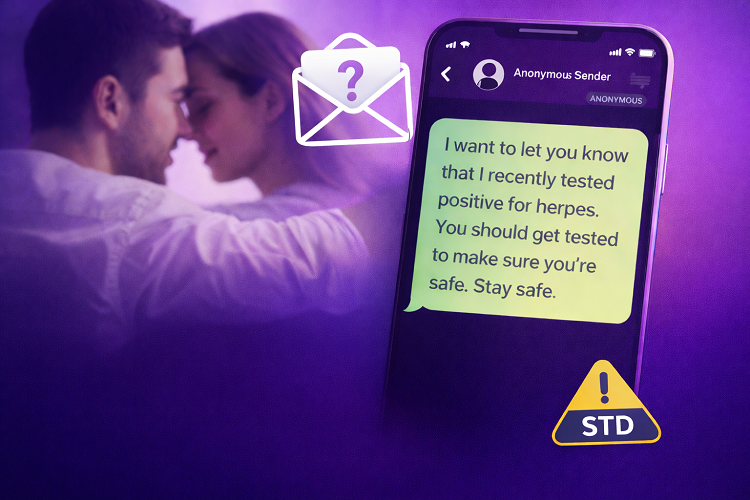
Telling someone about a Sexually Transmitted Infection can feel overwhelming. Fear of judgment, rejection, or awkward conversations often holds people back. But disclosure matters, not just for legal and ethical reasons, but for trust and safety too.
If you’re not ready for a face-to-face conversation, sending an anonymous STD text can be a helpful first step. It gives you space, protects your identity, and still ensures the other person gets the information they need.
This guide walks you through everything: why anonymous disclosure matters, how to do it responsibly, what to say, and how real people have handled it successfully.
Why Herpes Disclosure Matters
Herpes (HSV-1 or HSV-2) is very common, but stigma makes it feel isolating. Many people delay or avoid disclosure because they fear being judged.
Here’s the reality:
- Most people appreciate honesty—even if it’s uncomfortable
- Early disclosure helps prevent transmission
- It builds a foundation of trust for future relationships
- It reduces anxiety and guilt over time
Even if you choose to stay anonymous, sharing this information shows respect and responsibility.
What Is an Anonymous STD Text?
An anonymous STD text is a message sent to a past or current partner without revealing your identity. It informs them they may have been exposed to herpes and encourages them to get tested.
These messages are usually sent through:
- Anonymous texting platforms
- Online notification tools
- Temporary phone numbers
- Email-to-text services
The goal is simple: inform without exposing yourself.
When Should You Send One?
You should consider sending an anonymous message if:
- You recently tested positive for herpes
- You had sexual contact with someone before knowing your status
- You’re not comfortable disclosing directly
- You’ve lost contact but still want to inform them
Timing matters. The sooner you notify, the better.
How to Send an Anonymous STD Text (Step-by-Step)
1. Choose a Reliable Tool
Use a trusted anonymous messaging platform. Avoid sketchy apps that may misuse data.
Look for tools that:
- Don’t store personal info
- Allow one-time messages
- Offer message templates
-
Keep the Message Clear and Calm
Avoid emotional or complicated wording. Keep it short, respectful, and informative.
Good messages include:
- A notice of possible exposure
- A suggestion to get tested
- A neutral tone (no blame or panic)
-
Don’t Reveal Identifying Details
Even accidentally mentioning:
- Dates
- Locations
- Shared experiences
can make it easy to trace back to you.
Stay general.
-
Encourage Action, Not Fear
Your goal is not to scare them—it’s to help them take care of their health.
Use phrases like:
- “You may want to consider getting tested”
- “This is just a precaution”
- “Many people manage this condition successfully”
-
Send and Let Go
Once you send the message, avoid overthinking.
You’ve done your part. What they do next is up to them.
Anonymous STD Text Examples
Here are some simple templates you can use:
Example 1 (Neutral & Direct):
“Someone you were intimate with has tested positive for herpes. You may want to get tested as a precaution. Many people live healthy lives with this condition.”
Example 2 (Gentle Tone):
“This is an anonymous message to let you know you may have been exposed to herpes. It’s a common condition, but testing is recommended for peace of mind.”
Example 3 (Supportive):
“You may have been exposed to HSV. Consider getting tested. It’s manageable and more common than most people think.”
Pros and Cons of Anonymous Disclosure
Pros
- Protects your identity
- Reduces anxiety around confrontation
- Ensures the message is delivered
- Helps partners take action
Cons
- May feel less personal
- The receiver might doubt its authenticity
- No opportunity for immediate conversation
Still, it’s better than saying nothing at all.
Emotional Side of Disclosure
Let’s be honest—this isn’t just a technical task. It’s emotional.
You might feel:
- Guilt
- Fear
- Shame
- Relief (after sending)
All of this is normal.
Remember:
- You’re not alone
- Herpes is extremely common
- Disclosure shows integrity, not weakness
Community Insight
Many online communities encourage anonymous disclosure as a responsible option.
In support forums, users often share experiences like:
- “I couldn’t say it directly, but I didn’t want to stay silent.”
- “Sending that message lifted a huge weight off me.”
- “They deserved to know, even if I couldn’t face them.”
These shared stories highlight one thing: taking action matters more than perfection.
Testimonials (Names Changed for Privacy)
“I used an anonymous text tool after my diagnosis. I was terrified, but it felt like the right thing. It gave me closure and helped me sleep better at night.”
— User A, Late 20s
“I wasn’t ready to talk face-to-face. Sending a message helped me move forward without panic. It gave me the courage to eventually have honest conversations later.”
— User B, Early 30s
“At first I felt guilty, but after sending it, I felt lighter. It helped me accept my situation too and focus on taking care of myself.”
— User C, Early 30s
“I kept delaying disclosure because I was scared of judgment. The anonymous message option made it easier to do the right thing without overwhelming anxiety.”
— User D, Mid 20s
Tips for Responsible Disclosure
- Always verify your diagnosis before notifying
- Avoid sending messages out of anger or revenge
- Keep it factual, not emotional
- Respect privacy—yours and theirs
- If possible, consider direct disclosure in future relationships
Managing Life After Disclosure
Once you’ve informed partners, focus on yourself:
- Learn about herpes management
- Practice safe intimacy
- Build confidence again
- Connect with support groups
Your life doesn’t stop here—it evolves.
FAQ
1. Is anonymous STD texting legal?
Yes, in most places, as long as you’re not harassing or threatening someone.
2. Will they know it’s me?
Not if you avoid identifiable details and use a secure platform.
3. What if they ignore the message?
That’s their choice. You’ve done your responsibility.
4. Should I always disclose herpes?
Yes, especially before intimate contact.
5. Can I send multiple messages?
It’s better to send one clear message rather than repeated texts.
6. Is herpes really that common?
Yes. Millions of people worldwide live with it.
7. What if I feel guilty?
That’s normal, but taking action is what matters most.
Final Thoughts
Sending An Anonymous STD text isn’t about avoiding responsibility, it’s about finding a way to act responsibly when direct communication feels too difficult.
You’re choosing honesty. You’re protecting others. And you’re taking a step toward acceptance.
That matters.
No matter how you do it, disclosure is an act of courage.