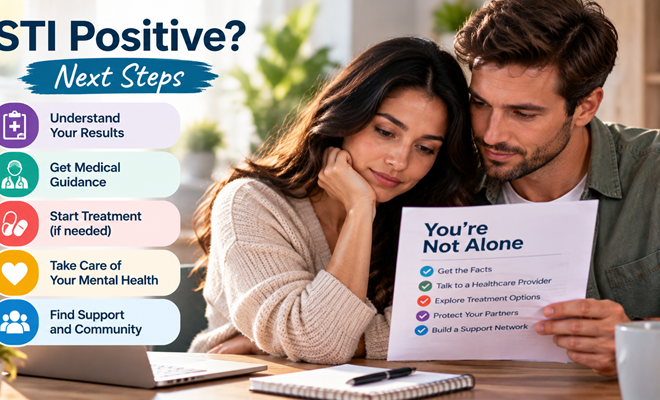
An HSV diagnosis can bring fear, uncertainty, and many questions about relationships and intimacy. One of the most common concerns is whether a diagnosis means your sex life is over. It does not. With accurate information, honest communication, appropriate precautions, and attention to personal comfort, people with HSV can continue to have romantic and sexual relationships.
HSV dating can look different from what someone expected, but a diagnosis does not remove the possibility of intimacy, affection, or meaningful relationships.
Understanding What an HSV Diagnosis Really Means
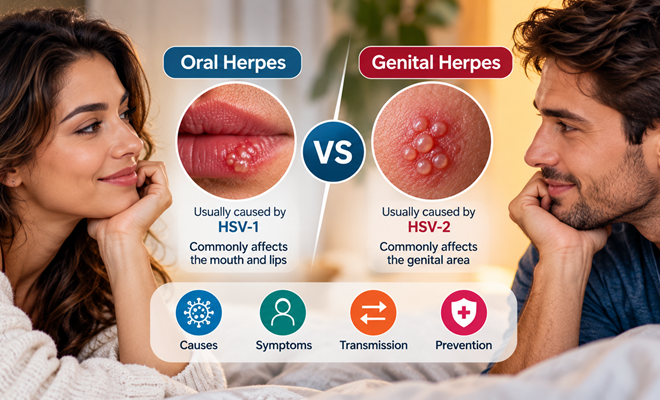
HSV is a common viral infection that can cause oral or genital herpes. The diagnosis may initially feel overwhelming, especially when someone has received confusing or judgmental messages about herpes. However, having HSV is a health consideration rather than a complete definition of someone’s identity or relationships.
An important first step is learning how HSV is transmitted, what symptoms can look like, and what options are available for reducing transmission. Understanding the infection can replace some of the fear created by misinformation.
HSV Does Not Eliminate Intimacy
Physical intimacy involves much more than sexual intercourse. Kissing, touching, cuddling, emotional closeness, and other forms of affection can remain important parts of a relationship. For couples where one or both partners have HSV, intimacy can continue while taking health considerations into account.
People may also have different comfort levels. Some couples discuss boundaries before becoming sexually active, while others take more time to understand the infection and make decisions together.
Why People Think Their Sex Life Is Over
The belief that HSV automatically ends someone’s sex life often comes from stigma rather than medical reality. Herpes has been surrounded by embarrassment and negative stereotypes for decades. Those attitudes can make a diagnosis feel much more frightening than the medical facts suggest.
Stigma Can Affect Confidence
After diagnosis, some people worry that nobody will want to date them. Others may feel embarrassed about discussing HSV with a potential partner. These feelings are understandable, but they do not predict what future relationships will look like.
Herpes stigma can also lead someone to withdraw from dating altogether. Taking time to process the diagnosis can be healthy, but permanently avoiding relationships because of fear is not the only option.
A Diagnosis Does Not Define Your Worth
HSV does not change a person’s personality, values, interests, or ability to care for another person. Someone with herpes can still be a supportive partner, communicate well, build trust, and experience affection and sexual connection.
A diagnosis may require additional conversations, but those conversations can become part of responsible relationship communication rather than a reason to avoid intimacy.
How Sexual Relationships Can Continue After HSV
There is no single way to approach sex after an HSV diagnosis. Decisions depend on symptoms, relationship circumstances, individual preferences, and conversations between partners.
Learn About Transmission
HSV can spread through skin-to-skin contact, including contact with an area where the virus is present. Transmission can occur even when visible symptoms are not present because asymptomatic viral shedding is possible.
Understanding HSV transmission helps partners make informed decisions. Avoiding sexual contact during visible outbreaks or when warning symptoms are present is commonly recommended. Condoms and dental dams can reduce, but do not completely eliminate, the risk because HSV can affect skin that is not covered.
Consider Medical Guidance
A healthcare professional can explain treatment options based on an individual’s situation. Antiviral medications may be prescribed for people with recurrent genital herpes. For some people, suppressive antiviral therapy can also reduce the frequency of outbreaks and lower the risk of transmitting genital HSV-2 to a partner.
Herpes treatment options should be discussed with a qualified healthcare professional rather than based on information from social media or online discussions.
Disclosure Is Part of Responsible Dating
If you have genital HSV, discussing the diagnosis with a potential sexual partner before sexual contact allows both people to make an informed decision. Disclosure does not need to be dramatic or apologetic.
A simple, honest conversation can explain what type of HSV you have, whether you experience outbreaks, and what precautions you normally take.
Choose the Right Time
Disclosure is usually easier when there is enough privacy and time for a real conversation. Bringing it up immediately after meeting someone may not feel comfortable, while waiting until sexual activity is already happening can create unnecessary pressure.
HSV disclosure works best when both people have room to ask questions and decide what they are comfortable with.
Be Honest Without Overexplaining
You do not need to provide every medical detail during the first conversation. Give your partner useful information and allow them to ask questions.
For example, you might explain that you have HSV, describe whether you experience outbreaks, and mention the precautions you take. Your partner may want time to research the condition before deciding how they feel.
Building Confidence With a Partner
Good communication can make intimacy more comfortable. Instead of focusing entirely on the possibility of transmission, couples can discuss what makes both people feel safe and respected.
Talk About Boundaries
Partners can discuss when they are comfortable being intimate, what happens during an outbreak, and which protection methods they prefer. These conversations can also strengthen trust because both people know what to expect.
Safe sex with herpes is not about creating a completely risk-free situation. It is about understanding risk and making informed choices together.
Remember That Rejection Can Happen
Someone may decide they are not comfortable with HSV. That response can hurt, but it does not mean there is something wrong with you. People have different health concerns, boundaries, and levels of understanding.
A respectful response from both sides matters. The goal is not to pressure someone into accepting a risk they are uncomfortable with, but to allow both people to make informed decisions.
Dating After an HSV Diagnosis
Dating may feel different at first, but it does not have to disappear from your life. Some people prefer meeting potential partners through general dating platforms, while others feel more comfortable using Herpes Dating Sites where HSV status may already be part of the dating conversation.
Whatever approach someone chooses, compatibility involves much more than health status. Shared interests, communication, kindness, trust, and relationship goals all remain relevant.
Take Dating at Your Own Pace
There is no requirement to start dating immediately after diagnosis. Some people need time to learn about HSV and become comfortable talking about it. Others may feel ready to continue dating quickly.
Dating with herpes can become easier as someone gains confidence in discussing the diagnosis and understanding their own boundaries.
Sexual Health and Emotional Well-Being
An HSV diagnosis can affect emotions as much as physical health. Shame, anxiety, anger, or sadness can occur, particularly shortly after diagnosis. These feelings deserve attention rather than being ignored.
Focus on Accurate Information
Reliable health information can help separate facts from myths. A healthcare provider can also help clarify questions about symptoms, testing, treatment, and transmission.
HSV sexual health includes both physical precautions and emotional well-being. Feeling informed can make future conversations less intimidating.
Intimacy Can Be Reimagined
Sometimes an HSV diagnosis encourages partners to communicate more openly about sexual health. Couples may become more comfortable discussing protection, symptoms, testing, and boundaries.
Intimacy does not have to follow one fixed pattern. Partners can decide together what feels comfortable while respecting each other’s health and consent.
FAQs About Sex and HSV
Can I still have sex after an HSV diagnosis?
Yes. An HSV diagnosis does not automatically mean that sexual activity must end. Partners can discuss transmission risks, use appropriate precautions, and follow medical guidance.
Must I disclose HSV before sex?
For responsible sexual decision-making, disclosure before sexual contact is important so a partner can make an informed choice. The exact conversation can vary depending on the circumstances.
Should I avoid sex during an outbreak?
Generally, avoiding sexual contact during an active outbreak or when warning symptoms are present is recommended because transmission risk can be higher. A healthcare professional can provide personalized guidance.
Can condoms prevent HSV transmission completely?
No. Condoms can reduce the risk of HSV transmission but cannot eliminate it because herpes can be transmitted through skin areas that condoms do not cover.
Can medication reduce the risk of transmission?
For some people with genital HSV, daily suppressive antiviral therapy can reduce outbreaks and lower the risk of transmitting HSV-2. A healthcare professional can explain whether this approach is appropriate.
Should I stop dating after an HSV diagnosis?
No. There is no medical reason that an HSV diagnosis automatically requires someone to stop dating. People can choose when and how they feel comfortable returning to dating.
Can someone with HSV have a long-term relationship?
Yes. HSV does not prevent someone from developing a committed relationship. Open communication, mutual respect, informed decisions, and sexual-health precautions can all contribute to a healthy relationship.
Final Thoughts
An HSV diagnosis can change how someone approaches sexual health, but it does not mean their sex life is over. Learning about Living With Herpes, understanding transmission, discussing HSV honestly, and making informed choices can help people continue to experience intimacy and relationships.
The most important shift is moving away from the idea that herpes defines a person’s future. A diagnosis is one part of someone’s health history, not a limit on their capacity for love, connection, affection, or intimacy.